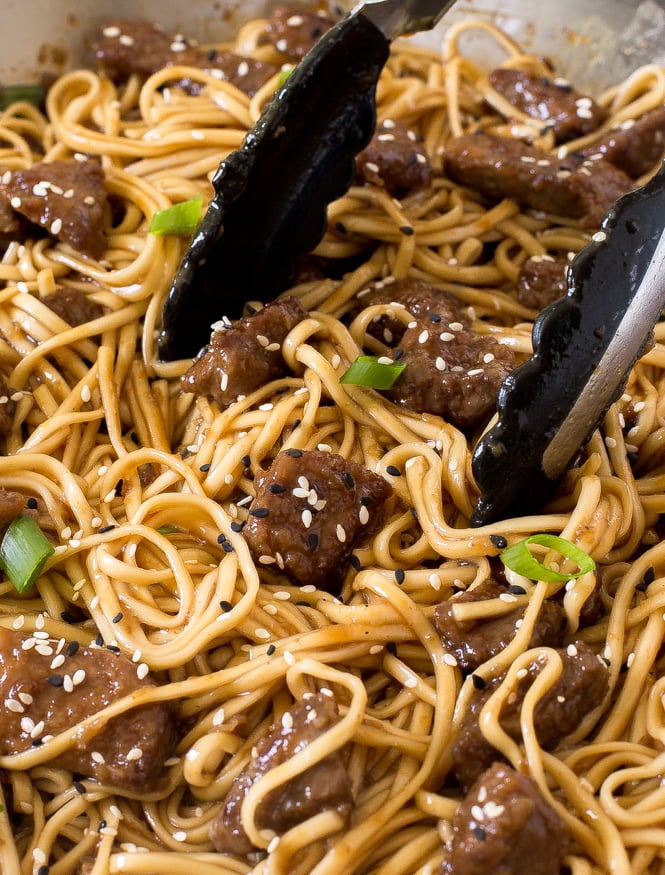
The quest for the perfect plate of beef teriyaki noodles is one that many home cooks embark on, often yielding delicious results, but sometimes leaving a nagging feeling that something is missing. That 'something' is often a deeper understanding of umami – the savory fifth taste that elevates good food to truly extraordinary. This comprehensive guide will take you beyond the basic recipe, providing you with expert tips, tricks, and ingredient insights to ensure every forkful of your homemade beef teriyaki noodles sings with rich, nuanced flavor.
Unlocking Umami: The Heart of Exceptional Beef Teriyaki Noodles
Umami, often described as a pleasant savory taste, is naturally present in many ingredients, and it's the secret weapon for mastering dishes like beef teriyaki noodles. Unlike sweet, sour, salty, or bitter, umami creates a satisfying mouthfeel and a long-lasting, complex flavor that harmonizes with other tastes. In the context of teriyaki, understanding umami is crucial.
Key umami-rich ingredients in teriyaki:
- Soy Sauce: The cornerstone of teriyaki, fermented soy sauce is packed with glutamates, the compounds responsible for umami. Opt for a good quality, naturally brewed soy sauce for the best depth.
- Mirin and Sake: These Japanese rice wines add sweetness and complexity, but also contribute their own umami notes, especially when slightly reduced.
- Garlic and Ginger: While primarily aromatic, when cooked gently, they release savory compounds that enhance the overall umami profile.
- Beef: Red meat, especially when browned (the Maillard reaction), develops significant umami. The amino acids in beef are a natural source of this savory taste.
- Mushrooms (Optional but Recommended): Shiitake or cremini mushrooms, when added to your stir-fry, are umami powerhouses, intensifying the sauce's flavor.
To truly unlock umami, consider how these ingredients interact. A slow simmer of your teriyaki sauce allows the flavors to meld and deepen. Deglazing your pan after searing the beef helps incorporate all those delicious browned bits – pure umami gold – into your sauce.
Choosing Your Ingredients Wisely: Building a Flavor Foundation
The quality and type of ingredients you select are foundational to a stellar plate of beef teriyaki noodles. Don't underestimate the power of starting with the best possible components.
The Beef: Cut and Preparation
For tender, flavorful beef, choose cuts that are suitable for quick cooking at high heat. Options include:
- Flank Steak: A lean, flavorful cut that becomes very tender when sliced thinly against the grain.
- Skirt Steak: Similar to flank, known for its rich flavor.
- Sirloin Steak: A good all-rounder, generally tender and easy to slice.
- Ribeye or Striploin: For a more luxurious experience, these cuts offer excellent marbling and tenderness.
Always slice your beef thinly, against the grain, for maximum tenderness. Marinating the beef for at least 30 minutes (or up to a few hours) in a bit of soy sauce, cornstarch, and sesame oil can dramatically improve its texture and flavor, tenderizing it and helping it brown beautifully.
Noodles: The Perfect Canvas
The noodle choice impacts the overall texture and absorbency of your dish:
- Ramen Noodles: Quick-cooking and great for soaking up sauce. Fresh or dried varieties work well.
- Udon Noodles: Thick, chewy, and satisfying. Excellent for a heartier dish.
- Soba Noodles: Made from buckwheat, offering a unique nutty flavor.
- Lo Mein Noodles: Egg-based, slightly thicker than ramen, with a pleasant chewiness.
No matter your choice, ensure you cook the noodles al dente – slightly firm – as they will continue to cook briefly in the stir-fry and absorb sauce without becoming mushy.
Crafting the Teriyaki Sauce
While convenient, many store-bought teriyaki sauces lack the depth and balance of a homemade version. Creating your own allows you to control the sweetness, saltiness, and umami:
A classic homemade teriyaki sauce includes:
- Soy sauce (low sodium is often preferred for balance)
- Mirin (essential for authentic flavor and shine)
- Sake (dry cooking sake works best)
- Sugar or honey (to balance the savory notes)
- Freshly grated ginger and garlic (for aromatic depth)
- Cornstarch slurry (for thickening to your desired consistency)
For a reliable starting point that delivers fantastic flavor, consider trying an Easy Homemade Beef Teriyaki Noodles: A Weeknight Recipe, which often emphasizes the simplicity and impact of a scratch-made sauce.
Vegetables: Color, Texture, and Nutrients
Complement your beef and noodles with vibrant vegetables. Good choices include broccoli florets, sliced carrots, bell peppers, snap peas, snow peas, sliced onions, or bok choy. Slice them uniformly for even cooking and add them in stages, starting with harder vegetables and ending with softer ones, to maintain their crispness and color.
Mastering the Cook: Techniques for Perfectly Tender Beef and Al Dente Noodles
Execution is everything. Even the best ingredients can fall flat without proper cooking techniques. This section focuses on how to bring it all together for outstanding beef teriyaki noodles.
The Art of the Stir-Fry
A successful stir-fry relies on high heat and quick cooking. Use a wok or a large, heavy-bottomed skillet that can retain heat well.
- Sear the Beef: Heat a tablespoon of high-smoke-point oil (like canola, grapeseed, or avocado oil) in your pan over high heat until shimmering. Add the beef in a single layer, ensuring not to overcrowd the pan. Cook for 1-2 minutes per side until beautifully browned. Remove the beef and set aside; it will finish cooking with the sauce.
- Sauté Aromatics: Add a bit more oil if needed, then add your garlic and ginger. Sauté for about 30 seconds until fragrant, being careful not to burn them.
- Cook Vegetables: Add harder vegetables (carrots, broccoli) first and stir-fry for 2-3 minutes. Then add softer vegetables (bell peppers, snap peas) and cook for another 1-2 minutes until crisp-tender.
- Combine and Sauce: Return the seared beef to the pan with the vegetables. Add your cooked noodles. Pour in your homemade teriyaki sauce. Toss everything gently but thoroughly, ensuring the noodles and vegetables are evenly coated. Allow the sauce to simmer for 1-2 minutes, thickening as it heats and coating all the ingredients.
One of the beauties of this dish is its speed. With proper preparation, you can have a gourmet meal on the table in minutes, often Beef Teriyaki Noodles: Faster Than Takeout, Better Flavor.
Beyond the Basics: Advanced Umami Boosters and Serving Suggestions
Once you've mastered the foundational techniques, you can start experimenting with additional ingredients to deepen the umami profile of your beef teriyaki noodles even further.
Next-Level Umami Boosters:
- Miso Paste: A teaspoon of white or yellow miso paste whisked into your teriyaki sauce adds incredible depth and savory notes.
- Dried Shiitake Mushroom Liquid: Rehydrate a few dried shiitake mushrooms in hot water. Strain and add a tablespoon or two of the flavorful liquid to your sauce. The mushrooms themselves can be sliced and added to the stir-fry.
- A Dash of Fish Sauce: Just a tiny splash (half a teaspoon) of good quality fish sauce can add an undetectable layer of complexity and umami without making the dish taste "fishy."
- Tomato Paste: A small amount (half a teaspoon) caramelized briefly with the aromatics can add a subtle, sweet, and savory depth.
Elevated Serving Suggestions:
The presentation and garnishes can significantly enhance the eating experience:
- Toasted Sesame Seeds: A sprinkle of toasted white or black sesame seeds adds a nutty crunch.
- Fresh Scallions or Chives: Sliced thinly, these provide a fresh, pungent counterpoint.
- Chili Flakes or Sriracha: For those who enjoy a kick, a pinch of chili flakes or a drizzle of sriracha adds heat.
- Cilantro or Mint: A scattering of fresh herbs can brighten the dish with their unique aromas.
- Lime Wedge: A squeeze of fresh lime juice at the end can cut through the richness and add a vibrant zest.
Serve your beef teriyaki noodles immediately, piping hot. They are a complete meal on their own, but can be complemented by a light side salad with a ginger-sesame dressing or a simple clear soup.
Conclusion
Mastering beef teriyaki noodles is a rewarding culinary journey that combines careful ingredient selection with precise cooking techniques. By understanding and intentionally incorporating umami-rich components, from the quality of your beef and the homemade teriyaki sauce to nuanced flavor boosters, you can transform a simple weeknight meal into a gourmet experience. Don't be afraid to experiment, taste as you go, and refine your approach. With these tips and tricks, you're well-equipped to create a dish that not only satisfies hunger but also delights the palate with its profound savory depth, proving that truly exceptional homemade food is within every cook's reach.
